

A hormone pellet insertion kit is a sterile procedure kit designed for the safe, subcutaneous placement of bioidentical hormone pellets during HRT treatments. Each kit includes a trocar and all essential sterile components required to complete a pellet insertion procedure efficiently and compliantly.
Clinics can choose between disposable (single-use) trocar kits and reusable stainless steel trocar sets, depending on their workflow, sterilization capabilities, and cost structure.
Standard size options include 3.2mm, 3.5mm, and 4.5mm trocar kits, selected based on pellet size, pellet count, and patient profile. A properly manufactured sterile trocar kit in the USA should be packaged and sterilized under FDA and ISO compliant processes to ensure traceability and regulatory documentation.
When evaluating a trocar kit for hormone pellets, clinics should assess sterility assurance, material type (plastic versus stainless steel), supplier transparency, and total cost per procedure.
However, Purchasing direct from the manufacturer can reduce supply costs by approximately 10–30%, while improving quality control, traceability, and supply reliability.
What Is a Hormone Pellet Insertion Kit?
A hormone pellet insertion kit is a sterile procedure kit specifically assembled for the subcutaneous placement of bioidentical hormone pellets during hormone replacement therapy (HRT) procedures. It is designed to provide clinicians with all essential sterile components required to perform pellet insertion efficiently, safely, and in compliance with clinical standards.
At the center of the kit is the trocar kit for hormone pellets, a precision instrument used to create the subcutaneous tract through which pellets are inserted. Depending on clinic preference, the trocar may be provided as a disposable (single-use) trocar or as part of a reusable stainless steel instrument set requiring autoclave sterilization between procedures.
A properly manufactured sterile trocar kit USA should include:
-
A trocar (plastic or stainless steel, in specified size)
-
Sterile barrier components
-
Procedure tray and draping materials
-
Basic wound closure and dressing supplies
These kits are routinely used in:
-
Medspa practices offering HRT services
-
Functional medicine clinics
-
OB/GYN and urology practices
-
Wellness clinics performing routine hormone pellet insertion procedures
Unlike general medical supply bundles, a dedicated hormone pellet insertion kit is configured specifically for pellet-based HRT workflows, ensuring component compatibility, sterility assurance, and procedural efficiency.
What Is Included in a Sterile Trocar Kit?
A properly assembled sterile trocar kit for hormone pellet insertion is designed to provide all essential components required to complete the procedure within a controlled sterile field. Each component serves a defined role in maintaining aseptic technique, supporting efficient workflow, and minimizing procedural variability.

A standard hormone pellet insertion kit typically includes:
-
Disposable trocar (plastic medical-grade resin or stainless steel, in the selected size)
-
Sterile procedure tray
-
CSR wrap
-
Sterile gloves (non-latex)
-
Fenestrated drape
-
Scalpel (#11 blade)
-
Isopropyl prep pad
-
Povidone-iodine swabs
-
12cc syringe with 22-gauge needle (for administration of local anesthetic)
-
Sterile gauze
-
Steri-strips (wound closure strips)
-
Sterile forceps / pick-ups
Each component is pre-packaged to support procedural efficiency and reduce the need for sourcing individual items separately. When the kit is packaged and sterilized in the USA under FDA and ISO compliant processes, clinics benefit from improved traceability and sterility assurance documentation.
It is important to note that hormone pellets themselves are not included in a sterile trocar kit. Pellets are sourced separately from a licensed compounding pharmacy, while the kit provides the sterile instruments and procedure supplies required for insertion.
With a clear understanding of what is included in a trocar kit for hormone pellets, the next consideration for most clinics is selecting the correct trocar size for different patient and procedural needs.
What Size Trocar Do I Need for Hormone Pellet Insertion?
Selecting the correct trocar size for hormone pellet insertion depends on pellet diameter, total pellet count, and practitioner preference. Most HRT practices use 3.2mm, 3.5mm, or 4.5mm trocar kits, with each size serving a distinct clinical purpose.
3.2mm Trocar Kit
A 3.2mm trocar kit is typically manufactured in medical-grade plastic and is commonly used for smaller pellet insertions.
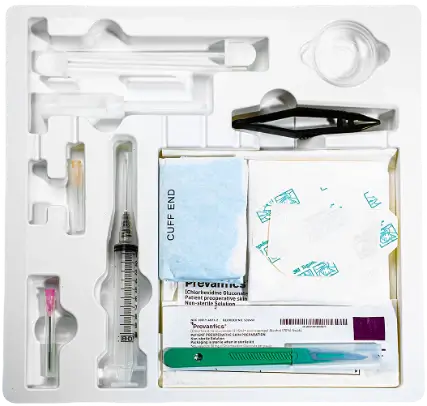
It is most frequently selected for:
-
Estradiol pellet procedures
-
Lower pellet count insertions
-
Female patients receiving smaller-diameter pellets
Because the tract diameter is smaller, this size supports precise placement when pellet volume is limited. Clinics performing a high volume of routine female HRT procedures often standardize on the 3.2mm disposable trocar kit for workflow consistency.
3.5mm Trocar Kit
The 3.5mm trocar kit, commonly available in stainless steel disposable format, is considered the standard size in many HRT practices.
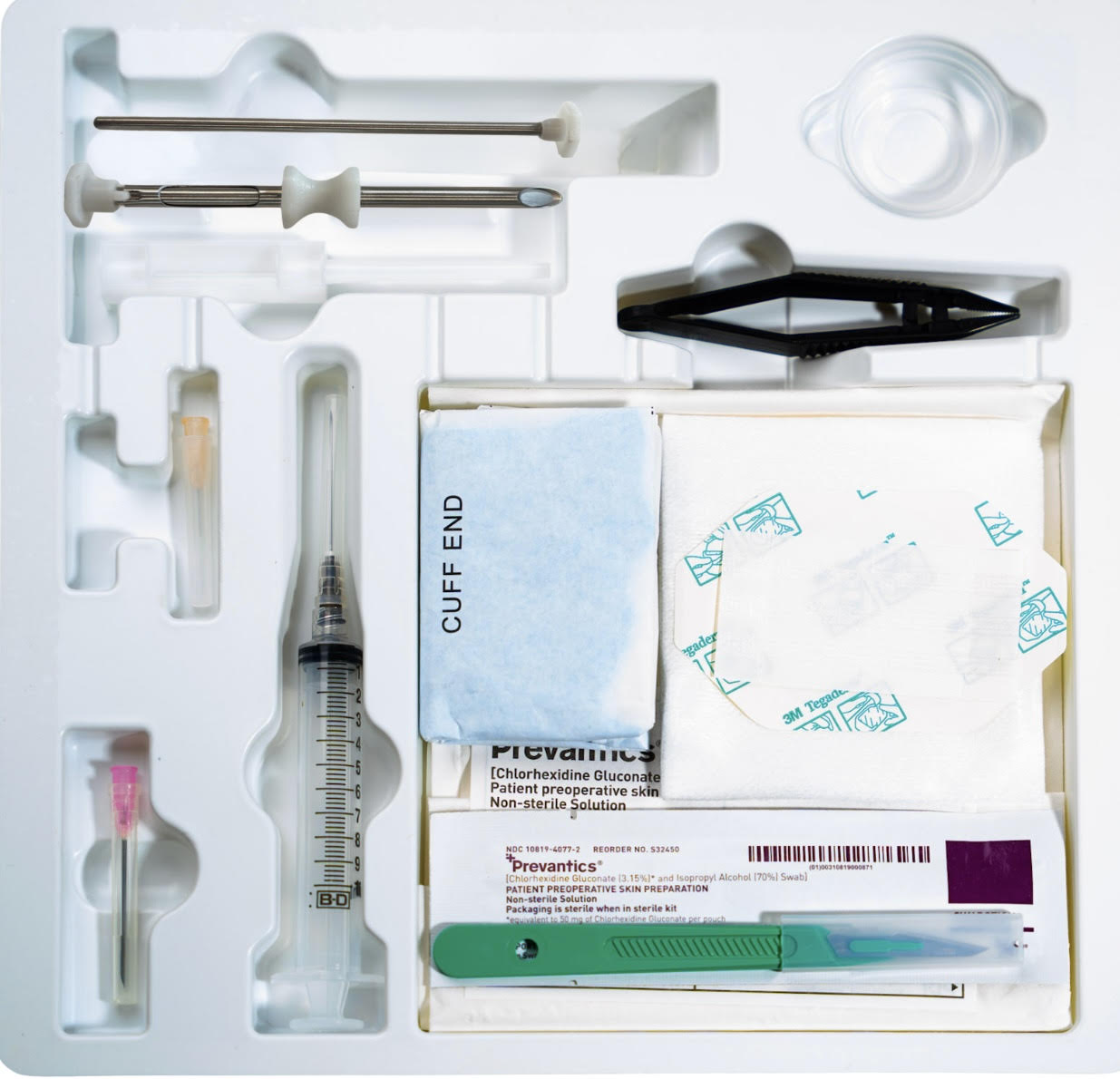
It is typically used for:
-
Routine hormone pellet insertion procedures
-
Both male and female patients
-
Moderate pellet counts
Many practitioners prefer the 3.5mm size because it balances insertion efficiency with controlled tract size. For clinics offering pellet therapy across multiple patient types, the 3.5mm trocar kit for hormone pellets is often the most versatile option.
4.5mm Trocar Kit
A 4.5mm trocar kit is designed for larger pellet volumes and higher-dose insertions.
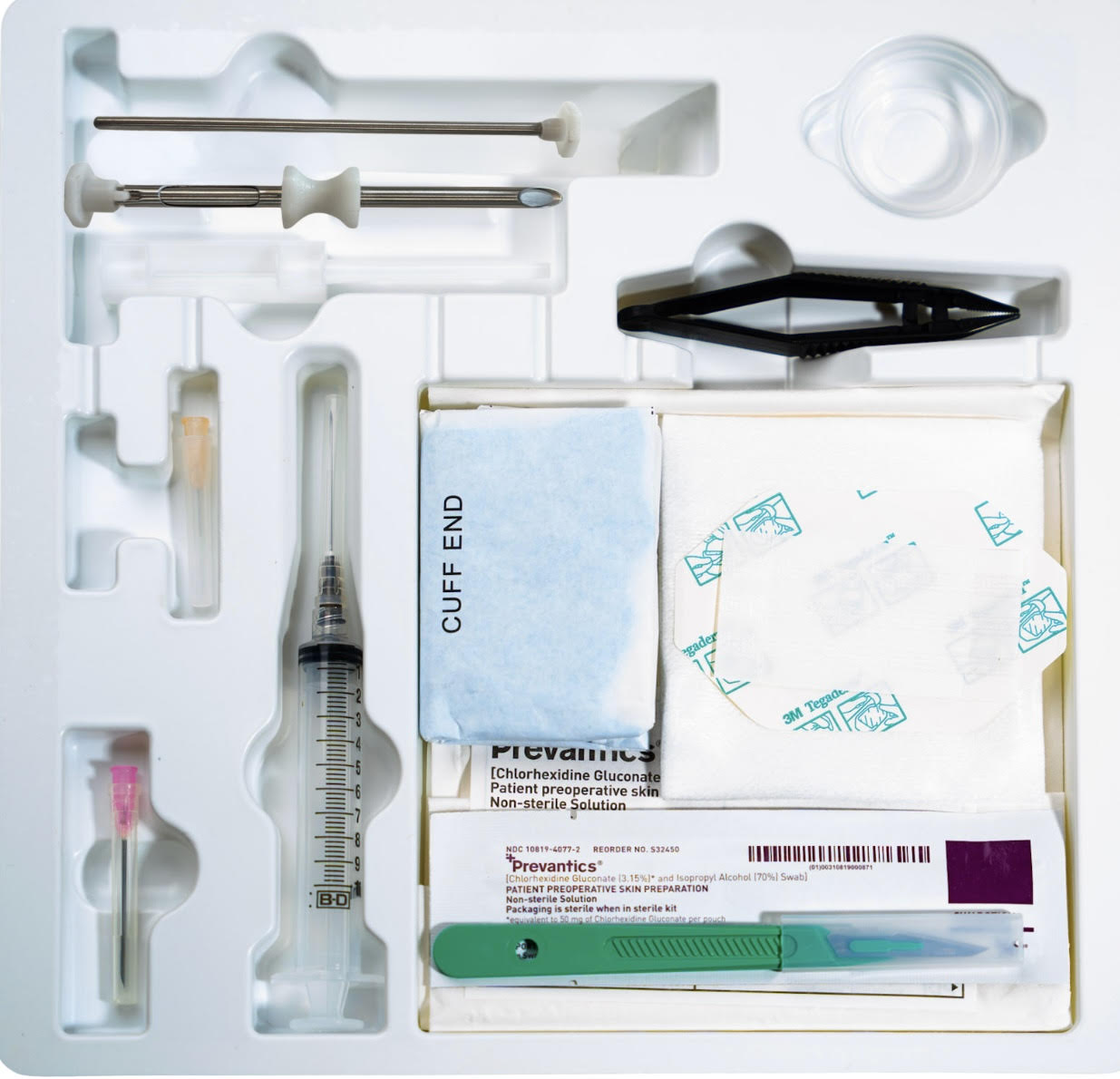
It is commonly selected for:
-
Testosterone pellet procedures
-
Male patients requiring higher pellet counts
-
Insertions involving approximately 150–200mg pellet loads
The larger internal diameter allows for smoother placement when multiple pellets are inserted during a single procedure. Clinics performing a high volume of testosterone-based HRT frequently rely on the 4.5mm sterile trocar kit USA or Stainless steel trocar support procedural efficiency.
Trocar Size Comparison
|
Size |
Material Option |
Typical Use |
Patient Type |
|
3.2mm |
Plastic (medical-grade resin) |
Smaller pellet insertions, lower pellet count |
Primarily female patients |
|
3.5mm |
Stainless steel (disposable) |
Standard pellet procedures, versatile use |
Men and women |
|
4.5mm |
Plastic or stainless steel |
Higher pellet count, 150–200mg insertions |
Primarily male patients |
Choosing the correct hormone pellet insertion kit size ensures procedural efficiency, predictable tract formation, and optimized workflow within the clinic setting.
With size selection clarified, the next major consideration for many practices is whether to use a disposable (single-use) trocar kit or invest in reusable stainless steel instruments.
Disposable vs. Reusable Trocar Kits: What’s the Difference?
Clinics offering hormone pellet insertion typically choose between a disposable (single-use) trocar kit and a reusable stainless steel trocar set. The decision affects workflow, infection control protocol, and cost per procedure.
Disposable Trocar Kits
A disposable trocar kit is pre-packaged, sterile, and designed for single use. No autoclave sterilization is required after the procedure.
Key characteristics:
-
Arrives as a complete sterile procedure kit
-
Eliminates post-procedure instrument reprocessing
-
Reduces staff time spent on sterilization workflow
-
Provides consistent sterility assurance per case
Disposable kits are commonly used in high-volume medspa and wellness clinic settings where procedural efficiency and turnaround time are priorities.
Reusable Stainless Steel Trocar Sets
A reusable trocar set is manufactured from stainless steel and designed for repeated use. After each procedure, the instrument must be cleaned and sterilized in an autoclave using an approved sterilization container.
Key characteristics:
-
Requires validated sterilization protocol between procedures
-
Involves additional staff handling and documentation
-
May reduce long-term instrument replacement costs
-
Requires upfront capital investment in sterilization equipment
Reusable systems are often preferred by clinics with established instrument sterilization infrastructure or those seeking long-term cost optimization.
Cost and Operational Considerations
From a financial perspective:
-
Disposable trocar kits generally have a higher per-unit cost but eliminate sterilization labor and equipment overhead.
-
Reusable trocar sets may lower long-term instrument costs but introduce sterilization labor, compliance documentation, and equipment maintenance expenses.
The appropriate choice depends on procedure volume, staffing structure, and infection control protocols.
Infection Control and Compliance
Infection prevention standards remain central to HRT practice operations.
-
Disposable kits provide single-case sterility assurance.
-
Reusable instruments require strict adherence to cleaning, autoclaving, and documentation protocols.
Clinics should evaluate internal compliance capabilities when selecting between disposable and reusable systems.
Nandi Medical manufactures both disposable hormone pellet insertion kits and an expanding line of reusable stainless steel trocar instruments, all packaged and sterilized under FDA and ISO compliant processes in the United States. Offering both options direct from the manufacturer allows clinics to align purchasing decisions with their operational model rather than supplier limitations.
For clinics evaluating suppliers, the next consideration extends beyond instrument type to overall regulatory standards and manufacturing compliance.
Reusable Trocar Options and Hybrid Workflows
Clinics that prefer reusable stainless steel instrumentation can now integrate reusable trocar sets into their hormone pellet insertion workflow while maintaining sterile disposable supplies for each procedure.
Explore:
• Reusable Stainless Steel Trocar Sets (3.5mm & 4.5mm)
• Sterilization Container for Reusable Trocar Sets
• Disposable Sterile Procedure Kit (Without Trocar)
For a detailed comparison of workflow models, review our guide:
Disposable vs. Reusable Trocar Kits: Which Is Better for Your Clinic?
What Supplies Do I Need for Hormone Pellet Insertion?
Clinics performing hormone pellet insertion require more than just a trocar. A complete procedural workflow includes sterile instrumentation, pharmaceutical sourcing, and post-procedure wound management supplies. The exact setup may vary by clinic protocol, but the core requirements remain consistent.
Below is a standard supply checklist for pellet-based HRT procedures:
-
Hormone pellet insertion kit
A sterile kit containing the appropriate trocar size (3.2mm, 3.5mm, or 4.5mm) and essential procedural components. -
Hormone pellets (sourced from a licensed compounding pharmacy)
Pellets are prescribed and compounded separately; they are not included in a sterile trocar kit. -
Local anesthetic
Typically administered using the included 12cc syringe and 22-gauge needle to ensure patient comfort prior to subcutaneous insertion. -
Sterilization protocol (for reusable instruments)
Clinics utilizing reusable stainless steel trocars must maintain validated autoclave sterilization procedures and appropriate sterilization containers. -
Post-procedure wound care supplies
Steri-strips, sterile gauze, and dressing materials to support proper site closure and healing.
Standardizing these supplies ensures procedural consistency, sterility assurance, and predictable workflow efficiency across HRT appointments.
With supply requirements outlined, clinics often next evaluate the financial implications of pellet insertion services — including kit cost and overall procedure economics.
How Much Does a Hormone Pellet Insertion Kit Cost?
The cost of a hormone pellet insertion kit should be evaluated in terms of total cost per procedure rather than unit price alone. Clinics offering HRT services must consider supply expense within the broader context of revenue per pellet insertion and annual procedure volume.
A cost-per-procedure model typically includes:
-
The price of the trocar kit for hormone pellets
-
Pharmaceutical cost of compounded pellets
-
Clinical staff time
-
Facility overhead
Because pellet insertion is a recurring treatment model, even modest differences in supply pricing can meaningfully affect annual margin.
Cost Per Procedure Considerations
When evaluating a sterile trocar kit USA, clinics should assess:
-
Per-unit pricing structure
-
Volume discounts
-
Shipping reliability
-
Inventory stability
-
Replacement frequency (for reusable instruments)
For high-volume practices, purchasing in bulk can improve predictability and reduce per-kit cost. Structured ordering schedules also reduce emergency procurement and supply chain disruption.
Direct-from-Manufacturer Economics
Supply chains involving distributors often include multiple markups between manufacturing and end user. Purchasing direct from the manufacturer can reduce overall supply cost by approximately 10–30%, depending on order volume and product configuration.
Beyond price, direct sourcing may provide:
-
Greater inventory continuity
-
Clearer production traceability
-
More consistent sterilization documentation
-
Reduced supply chain variability
For clinics performing pellet insertion regularly, optimizing kit procurement can improve gross margin without altering clinical pricing or service structure.
Understanding procedure economics naturally leads to common operational questions about kit usage, sterility, sizing, and compliance — addressed below.
View all reusable HRT instruments here.
Frequently Asked Questions About Hormone Pellet Insertion Kits
What is a trocar kit used for?
A trocar kit for hormone pellets is used to create a controlled subcutaneous tract for the placement of bioidentical hormone pellets during HRT procedures. The trocar allows clinicians to insert pellets beneath the skin in a consistent and predictable manner while maintaining sterile technique.
What size trocar is best for testosterone pellets?
For testosterone pellet insertions involving higher pellet counts, a 4.5mm trocar kit is commonly selected. This size supports smoother placement when inserting approximately 150–200mg pellet loads. However, practitioner preference and pellet formulation may influence final size selection.
Are hormone pellets included in a hormone pellet insertion kit?
No. A hormone pellet insertion kit contains the sterile instruments and procedural components required for insertion, but hormone pellets themselves are sourced separately from a licensed compounding pharmacy.
How long does a sterile trocar kit remain valid?
A properly manufactured sterile trocar kit USA will include a labeled expiration date based on validated sterilization and packaging protocols. Clinics should always verify lot number, sterility assurance, and expiration date prior to use to maintain compliance standards.
Can I reuse a disposable trocar?
No. A disposable (single-use) trocar kit is designed for one procedure only and should not be reprocessed or reused. Reuse compromises sterility assurance and may violate clinical compliance protocols. Clinics requiring reusable options should use stainless steel trocar sets specifically designed for autoclave sterilization.
What is the difference between a disposable and reusable trocar kit?
A disposable kit arrives sterile and requires no post-procedure reprocessing. A reusable stainless steel trocar requires validated cleaning and autoclave sterilization between procedures. The appropriate choice depends on clinic workflow, sterilization infrastructure, and cost model.
Conclusion:
Selecting the appropriate hormone pellet insertion kit requires balancing clinical precision, operational efficiency, regulatory compliance, and long-term cost management. Trocar size selection (3.2mm, 3.5mm, or 4.5mm), material preference (disposable or reusable), and procedural volume all influence which kit configuration best supports your practice.
From a workflow perspective, clinics must evaluate sterilization infrastructure, staff capacity, and case turnover. Disposable trocar kits for hormone pellets simplify post-procedure handling, while reusable stainless steel instruments may align with established autoclave protocols and long-term cost strategies.
Compliance considerations remain central. A sterile trocar kit USA that is packaged and sterilized under FDA and ISO compliant processes provides clearer documentation, traceability, and supply chain transparency. For OB/GYN, urology, medspa, and functional medicine practices, these standards support both regulatory readiness and internal quality control.
Supplier structure also matters. Working directly with a vertically integrated manufacturer can improve consistency, reduce supply chain variability, and potentially lower total procurement cost by approximately 10–30% compared to multi-layer distributor models.
Ultimately, the right hormone pellet insertion kit is the one that aligns with your clinic’s clinical protocols, patient volume, sterilization capabilities, and financial model. A deliberate, criteria-based evaluation ensures that pellet-based HRT services remain efficient, compliant, and economically sustainable over time.